
Interest rate analysis and outlook for commercial real estate borrowers. Fed policy, Treasury movements, and implications for CRE lending.




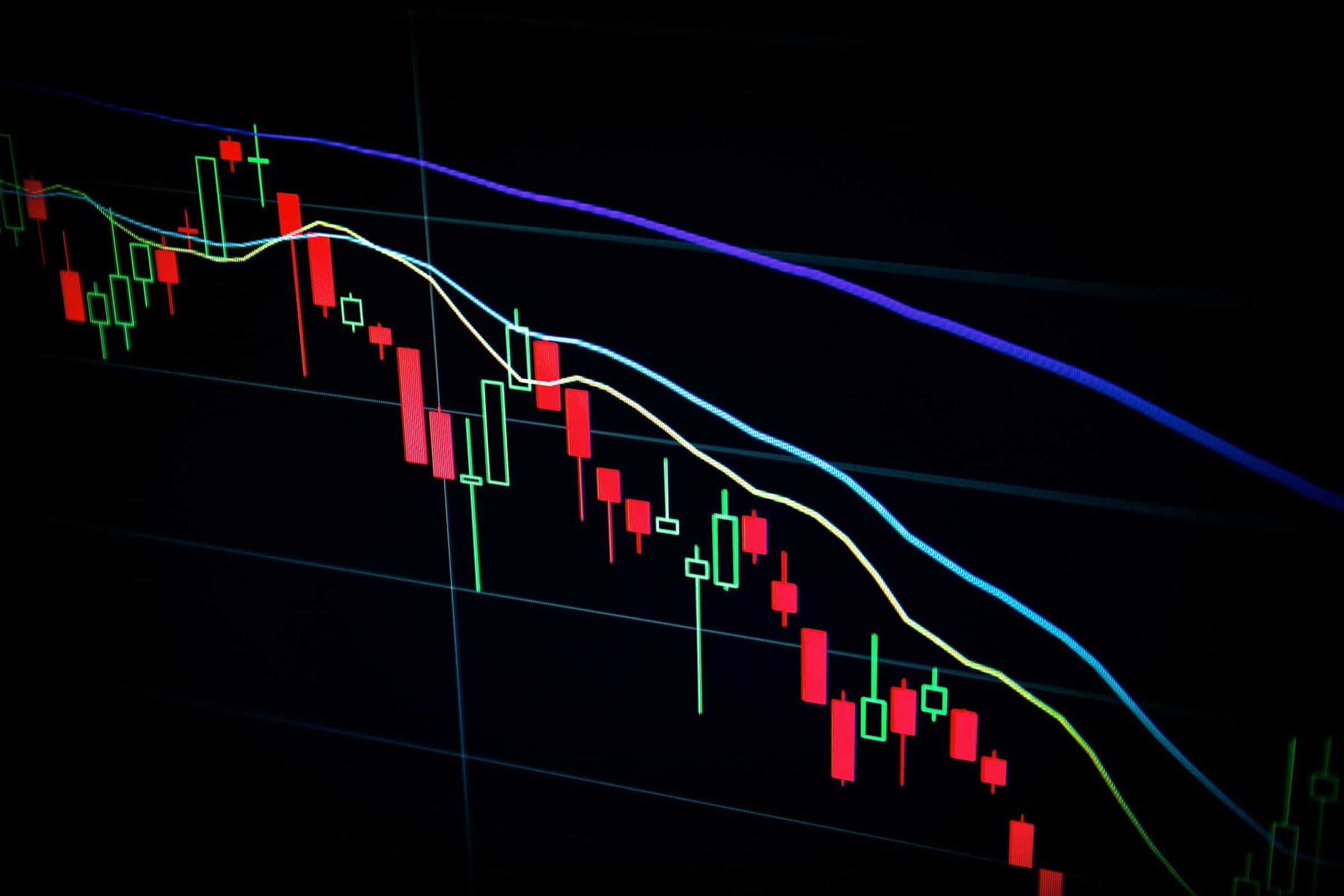
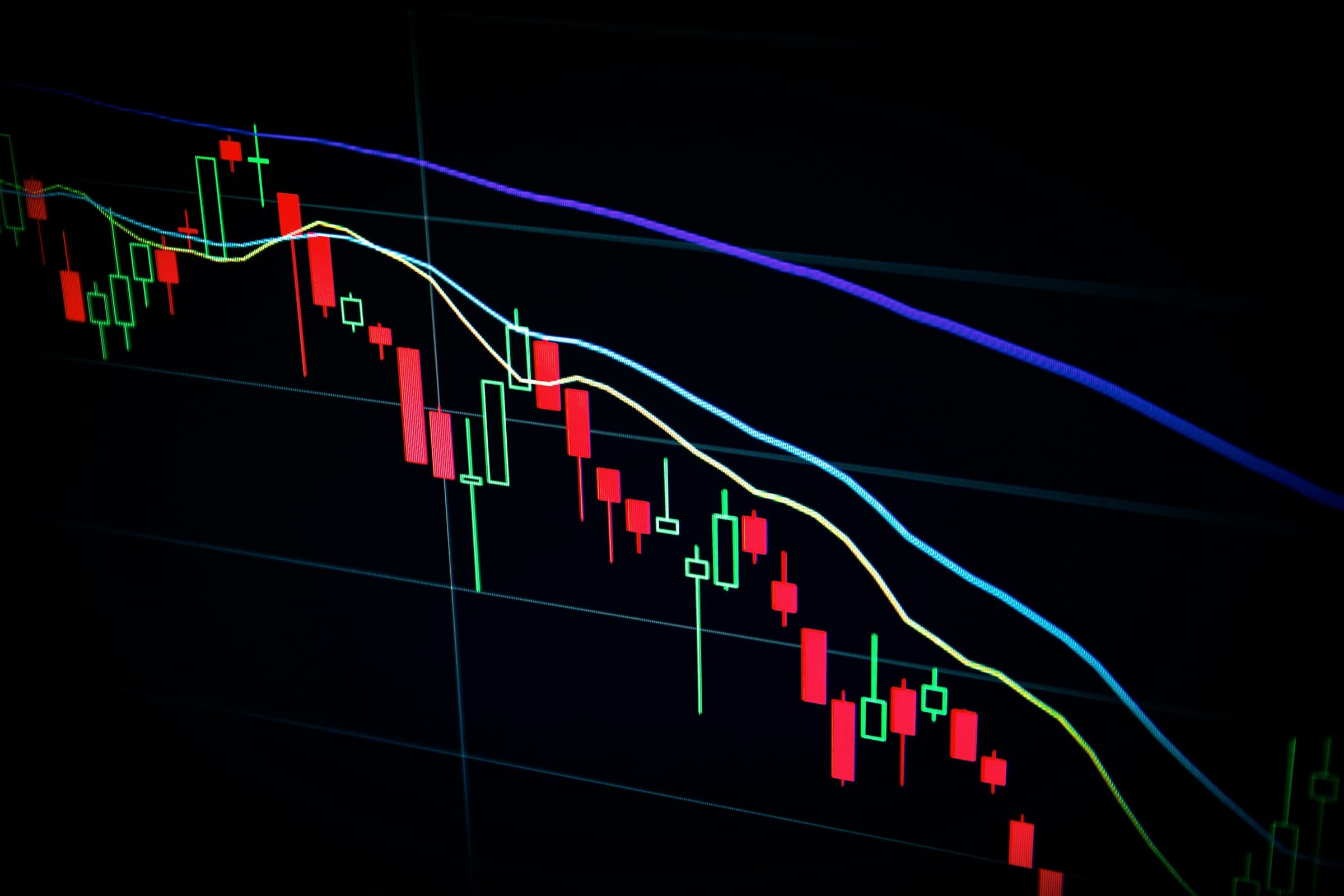
























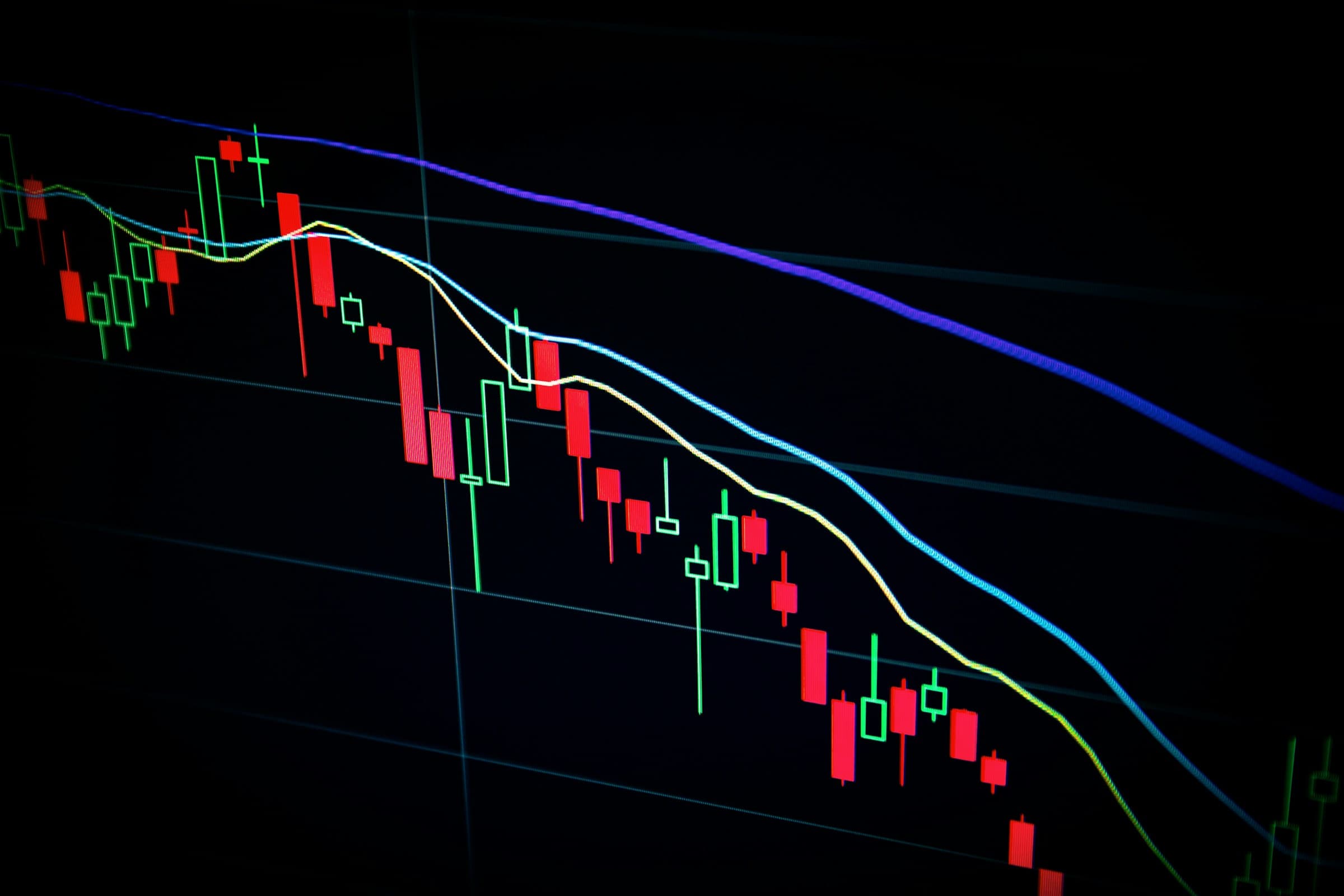
















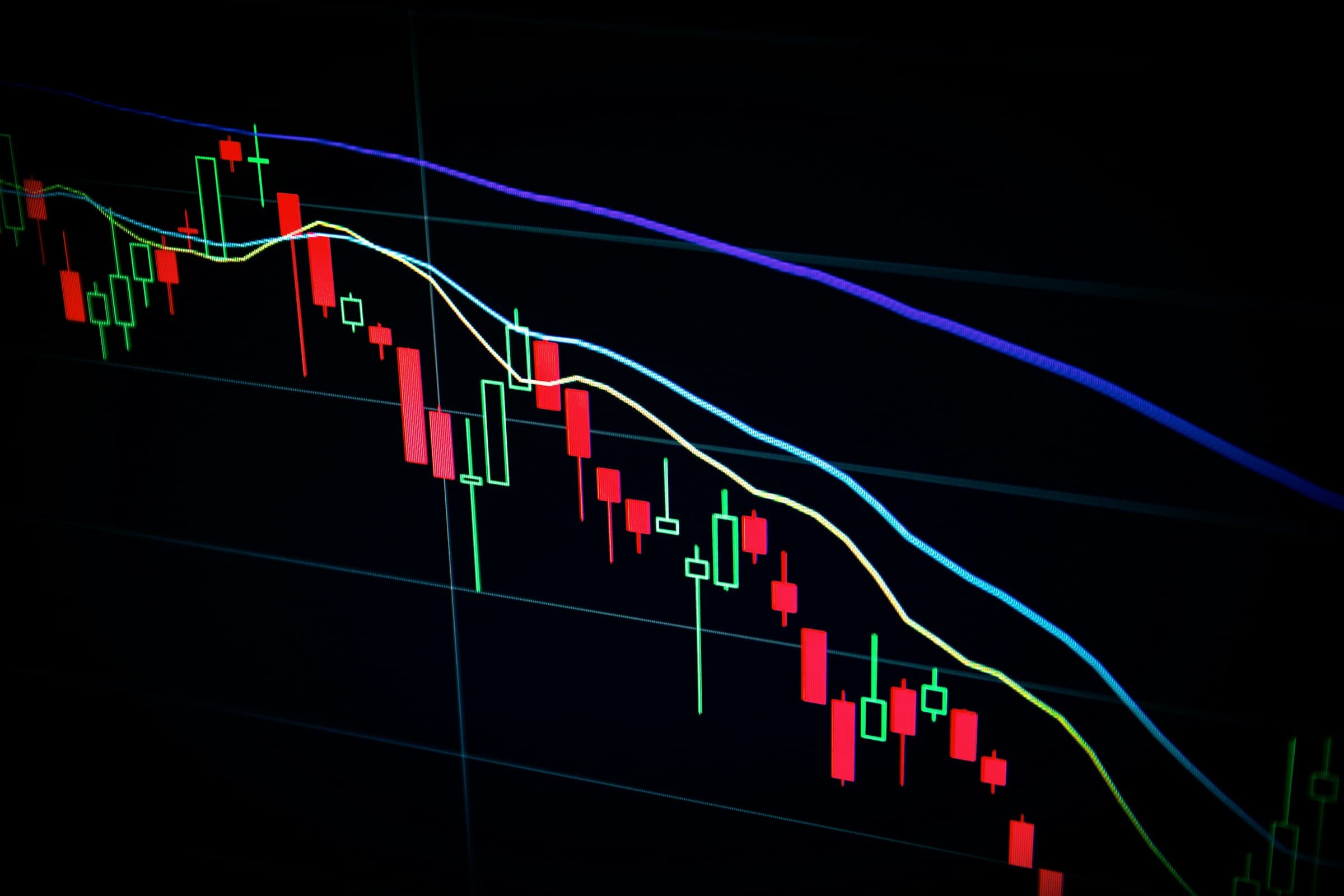






































Rising interest rates increase borrowing costs, which reduces the amount of leverage available and compresses property values. Higher rates also raise cap rates, directly lowering asset prices. Conversely, falling rates reduce borrowing costs and support higher valuations. The relationship is not perfectly linear—strong fundamentals and rent growth can offset rate increases.
Fixed-rate CRE loans are typically priced as a spread over U.S. Treasury yields (5-year, 7-year, or 10-year depending on loan term). Floating-rate loans are priced over SOFR (Secured Overnight Financing Rate), which replaced LIBOR. The Prime Rate affects some bank loan pricing. Swap rates are used to convert floating-rate exposure to fixed-rate terms.
The Federal Reserve influences CRE lending primarily through its federal funds rate, which directly affects short-term rates like SOFR. When the Fed raises rates, floating-rate bridge and construction loan costs increase immediately. Fixed-rate permanent loan pricing is more closely tied to Treasury yields, which reflect market expectations for future Fed policy and inflation.