
USD/JPY broke the critical 160 level in July, pushing the yen to a 40-year low. That triggered a rare US-Japan coordination to intervene in the FX market and strengthen the yen by 5% in a single day (7/31).
But why does the U.S. care so much about its trading partner's currency?
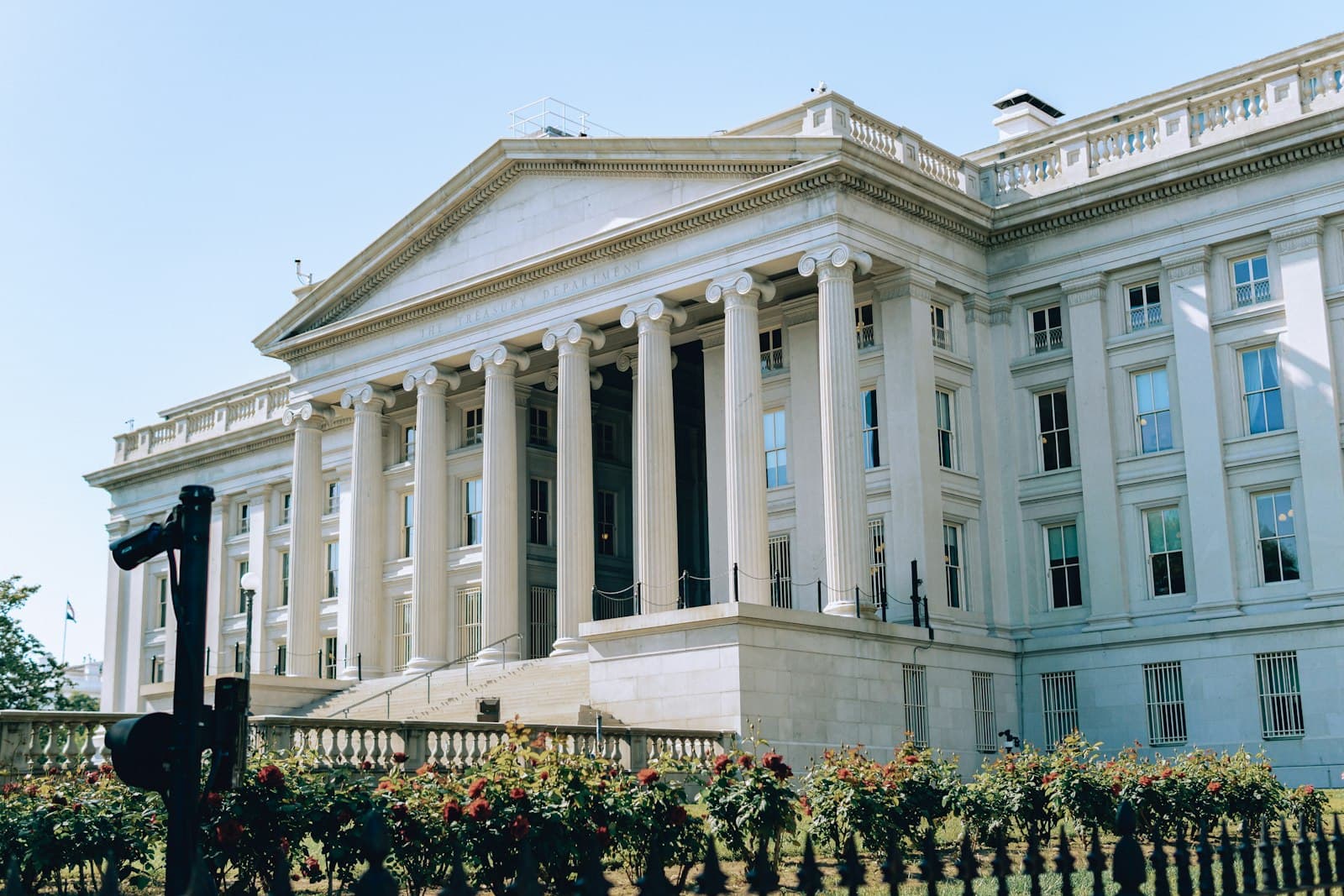
The answer starts with the U.S. Treasury's semiannual report on the macroeconomic and foreign exchange policies of major trading partners. One focus is currency manipulation, or whether countries deliberately weaken their currencies to gain a trade advantage by boosting exports. Japan is currently on the monitoring list, along with several Asian and EU countries.
That is why the U.S. has been pushing Japan toward tighter monetary policy. Higher Japanese rates could narrow the U.S.-Japan interest rate differential, ease upward pressure on USD/JPY, and support a stronger yen. However, Washington and Tokyo differ on how quickly the BOJ should raise rates. Bessent favors a more hawkish BOJ, while Takaichi has been more cautious about the pace of rate hikes. At its July meeting, the BOJ held rates at 1% after two hikes over the past year.
I don't think the divergence in views changes their shared goal. As Kevin Warsh put it, a split in opinion or debate between Fed officials is more like a family fight. This is more like a friend fight. They may disagree on how to get there, but they still want the same outcome.
The BOJ also has plenty of domestic reasons to tighten, and it doesn't need to look like it is doing Washington a favor: strong wage growth, persistent imported inflation, and rising upstream price pressures. Japan's July wholesale inflation jumped 7.2% YoY, increasing the risk of further pass-through to consumers.
That said, central banks rarely make major moves in the summer, when markets are in vacation mode and everyone is sunbathing on the beach, unless something is urgent. So, I expect the BOJ to wait until September before taking its next step and raising rates firmly but gradually.
We'll take a closer look at currency manipulation and what it means for the U.S. in the coming weeks. Stay tuned.

Source: TradingView