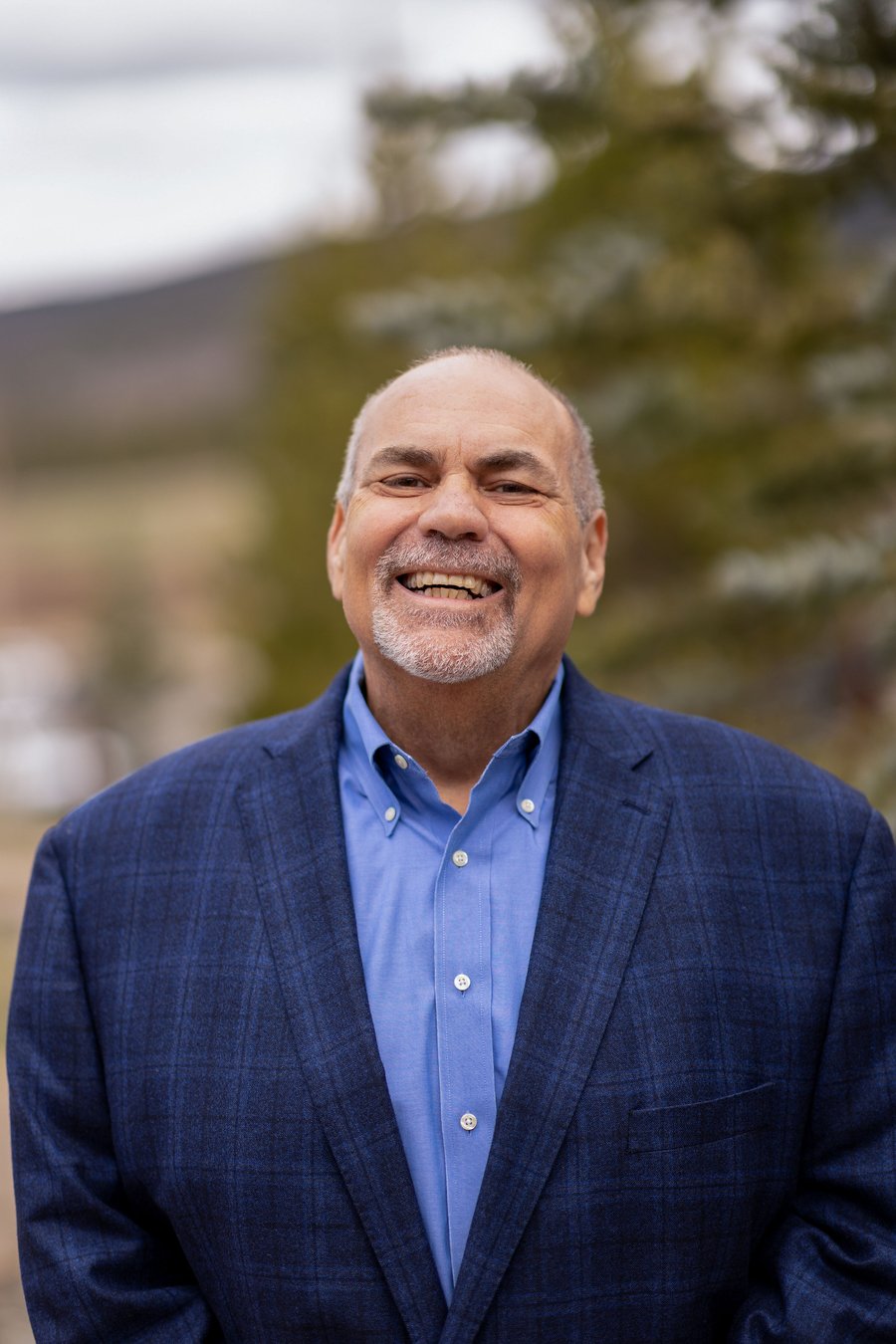
The White House announced the nomination of Kevin Warsh, who served on the Fed from 2006 to 2011. He was one of the youngest members ever to serve at the Fed and was mentored by former Fed Chair Bernanke. During the 2008-2009 Great Financial Crisis, Warsh was a critical member of the team that implemented emergency lending programs to stabilized credit markets. In subsequent years, however, he has frequently criticized the Fed for being overly accommodative. He felt the extended period of near-zero interest rates during the 2010s was responsible for “distorting markets.” He was also opposed to continued Fed purchases of Treasuries, aka Quantitative Easing.
Market reaction to the nomination was positive, as a small “relief rally” occurred after the announcement. The dollar strengthened slightly after plummeting to its lowest level since 2022 on the “debasement trade,” and the 10-year Treasury tightened about 5 bps on the news. Allianz Economist Mohammed El-Erian posted, “Having observed and interacted with Kevin during his prior tenure as Fed Governor…I believe he brings a strong mix of deep expertise, broad experience, and sharp communication skills. His commitment to reforming and modernizing the Fed bodes well for enhancing policy effectiveness and protecting the institution’s political independence.” This market consensus could turn sour if markets sense the Fed is bowing to political pressure or manipulation. That could result in a steepening yield curve, the rise of “bond vigilantes” demanding term premium on U.S. Treasuries, and further uncoupling of fixed and floating rate indices.
What’s next? If confirmed, Walsh will take over as Fed Chairman in May. Fed Governor Miran’s term ends tomorrow, but he will be allowed to remain until Walsh is confirmed and takes his seat. Fed Chair Powell will preside over the next two Fed meetings (March and April), and new Fed Chair Walsh will start with the June 17 meeting. Wild card: Fed Chairs traditionally resign from the rate-setting Board after being replaced as Chair (referred to as the “clean slate” unwritten rule). Powell may buck this trend and remain as a voting member until 2028; there is speculation he feels that this will help preserve Fed independence. No Fed Chair has remained on the board since Marriner Eccles in 1948 (he remained on the Board until 1951).
This week, the Fed left rates unchanged – the vote was 10 to 2 (Miran and Christopher Waller dissented). The “pause,” after three consecutive quarter-point cuts, was expected, as many board members noted a “stabilizing” job market. If Warsh is going to create consensus around further easing of rates, he will have to work with nine Board members who have just voted to hold rates steady. If Powell stays, he will only have Waller as a “dovish ally.” Walsh is seen as a consensus builder with abundant personal and diplomatic skills. He may adopt the Benranke method of gaining a majority by establishing agreement with a small group of allies and then expanding the thinking to a wider group. Futures markets are predicting pauses at the next two meetings, with a 65% chance of a rate cut in June. Stay tuned…