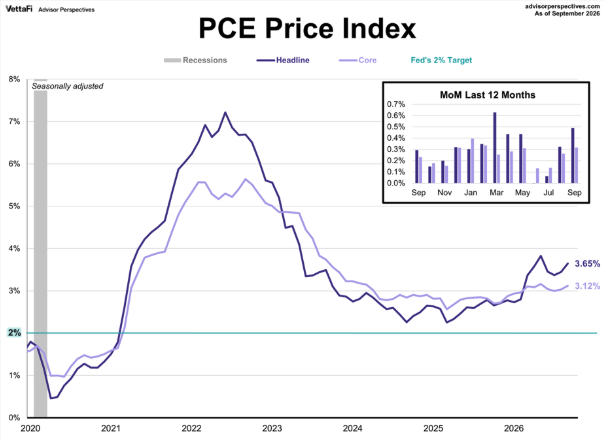
It seems Fed independence is "on the line" at every meeting, and this week was no different. The Fed paused (on a 10-2 vote) after hiking at the September meeting. It looks like the PCE report was just barely "not too hot" to provide a permission structure for the Fed to avoid a rate hike the week before the midterms. (See the PCE and Fed Funds charts below)
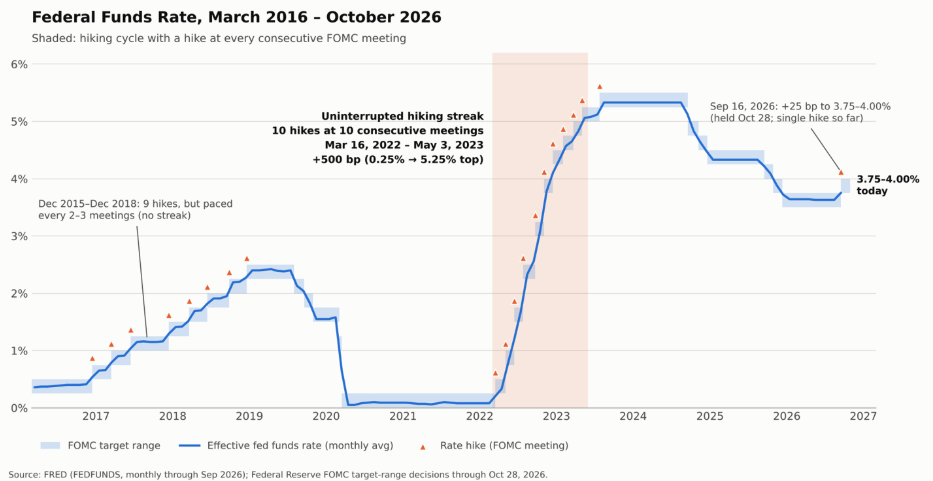
Lisa Cook dissented (rare for a Fed governor). This may have been a "protest" in advance of her hearing next week, which may result in attempts to remove her from the Fed board. Warsh spoke of the Fed's adherence to the 2% PCE inflation target and said last month's rate increase "made clear our readiness to act as circumstances require, and we have shown our willingness to act." More "cover" from Warsh: the Fed has time to wait because "the period right in front of us is information rich" and would provide "clarity" on the appropriate path. Is he alluding to the next two PCE reports? Or to developments in the Iran conflict, such as rumors of renewed hostilities and a push to settle after the midterms?
Changes at the Fed: Fewer rate-setting meetings in 2027 and 2028. The Fed will cut the number of rate-setting meetings from eight (presently) to seven in 2027 and six in 2028 going forward. Also, less "forward guidance": shorter statements, possibly no more "dot plots," and less "FedSpeak" between meetings. There will be more meetings on strategy and, of course, the highly anticipated findings from task forces in the coming months.
AI Debt and Tech Capital Crunch Roil Treasuries and Credit Spreads
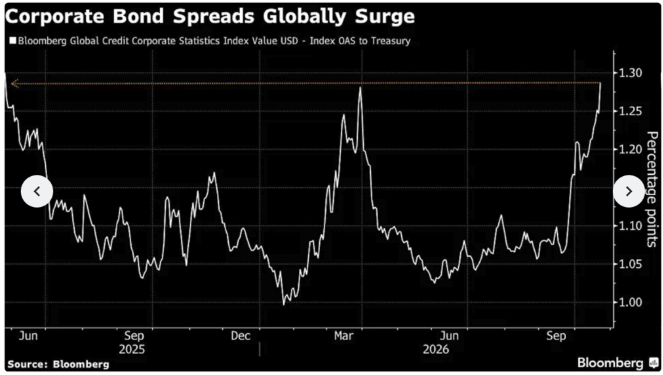
Nvidia CEO Jensen Huang's comments ("What is missing is the working capital to fuel that growth… because there's just so much demand across so many sectors of AI, there's a scarcity of capital") came amid concerns over "circular financing" and a slew of troubling earnings reports from Big Tech and neoclouds (Alphabet, Meta, Amazon, Intel, Oracle, ServiceNow, CoreWeave, Nebius, IREN, Applied Digital). As credit default swap spreads on some of these companies gap out, something is becoming very clear: lenders and bondholders are demanding more compensation for credit risk. (See the AI Tech Fears and 10-year Treasury charts below)
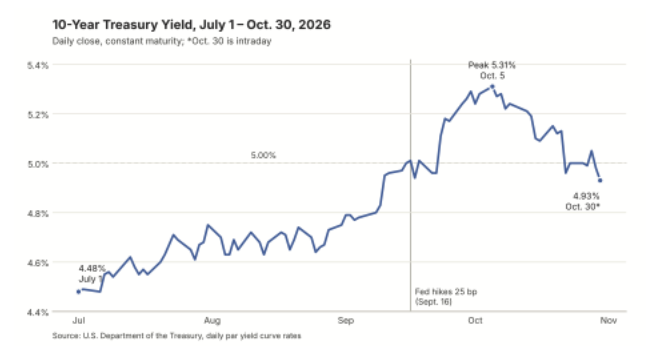
In another good sign for the volatile U.S. Treasury market, investors selling tech equities and debt poured into USTs in a classic "safe-haven" trade.
The sheer size of the massive debt-fueled AI capex buildout means all credit markets will be affected, including commercial real estate. Since last Friday's market volatility, CMBS and CLO secondary market spreads have widened anywhere from 3-10 bps in the various AAA classes.
Warsh addressed this on Wednesday: "Interest rates have had an effect. You see market participants that are discriminating between the kinds of investments they want to make. You've seen credit spreads for certain assets widen out, gap out. For others, you've seen some tightening in financial conditions, but not significantly."
Hopefully, this is a "healthy sorting" of bumpy financial conditions in a relatively nascent industry (ChatGPT launched less than four years ago), and not a larger credit market issue. Stay tuned…
By David R. Pascale, Jr., Senior Director at George Smith Partners.