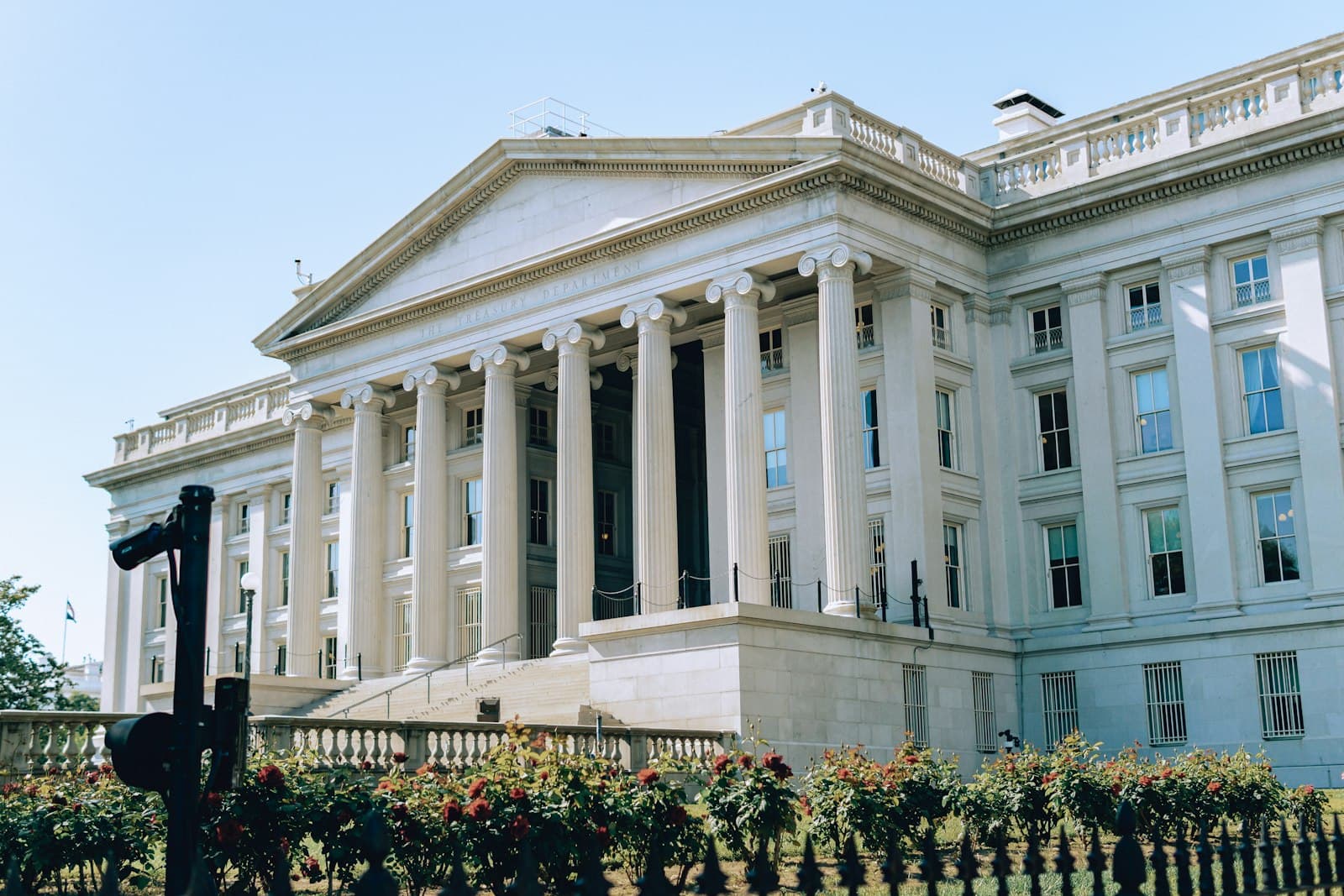
Today's announcement that the criminal investigation of Fed Chair Powell regarding Fed HQ renovation costs is being dropped should allow for relatively swift confirmation of nominee Kevin Warsh. Warsh's testimony this week touched on several issues, including Fed independence (he insisted he is not on a "predetermined" path), AI and the labor market ("the most destructive moment in modern economic history"), the Fed balance sheet (he indicated a lower balance sheet would lower rates and better contain inflation), BLS data used to measure inflation (he wants to survey "a billion prices"). Regarding inflation, Warsh has indicated his preference for using a "trimmed average" inflation gauge that excludes outlier data points (both high and low) to possibly provide a clearer picture of price fluctuations.

Warsh indicated that this metric shows that we are in the "early innings" of easing inflation. Regarding balance sheet reduction, Warsh feels that Fed balance sheet expansion has jeopardized Fed independence by going outside of its mandate and creating overreliance on the Fed by Wall Street. This is the so-called "Fed put," whereby the Fed purchases Treasuries and mortgage-backed securities in times of crisis; critics say this encourages unhealthy risk-taking by market participants. Also, when the Fed buys securities, it injects cash into the system and may distort prices. Reducing the balance sheet is tricky, as it removes liquidity and depresses prices for the securities (this occurred in 2019 causing short-term rates to spike). As Fed Chair, Warsh will have one vote amongst many on the committee. Creating consensus will be critical in order to implement changes. Next week's Fed meeting and press conference will be Powell's last as Fed Chair (no word yet on whether he plans to stay on the committee until 2028). Next week's meeting is expected to result in no change in the Fed Funds rate, with the futures market now indicating the next rate cut in June 2027. Stay tuned…