
- Since the Covid-19 pandemic, shopping habits and expectations have changed dramatically.
- One of the technologies augmenting rapid delivery, especially in the food and consumer staples sectors, is the emergence of drone delivery systems.
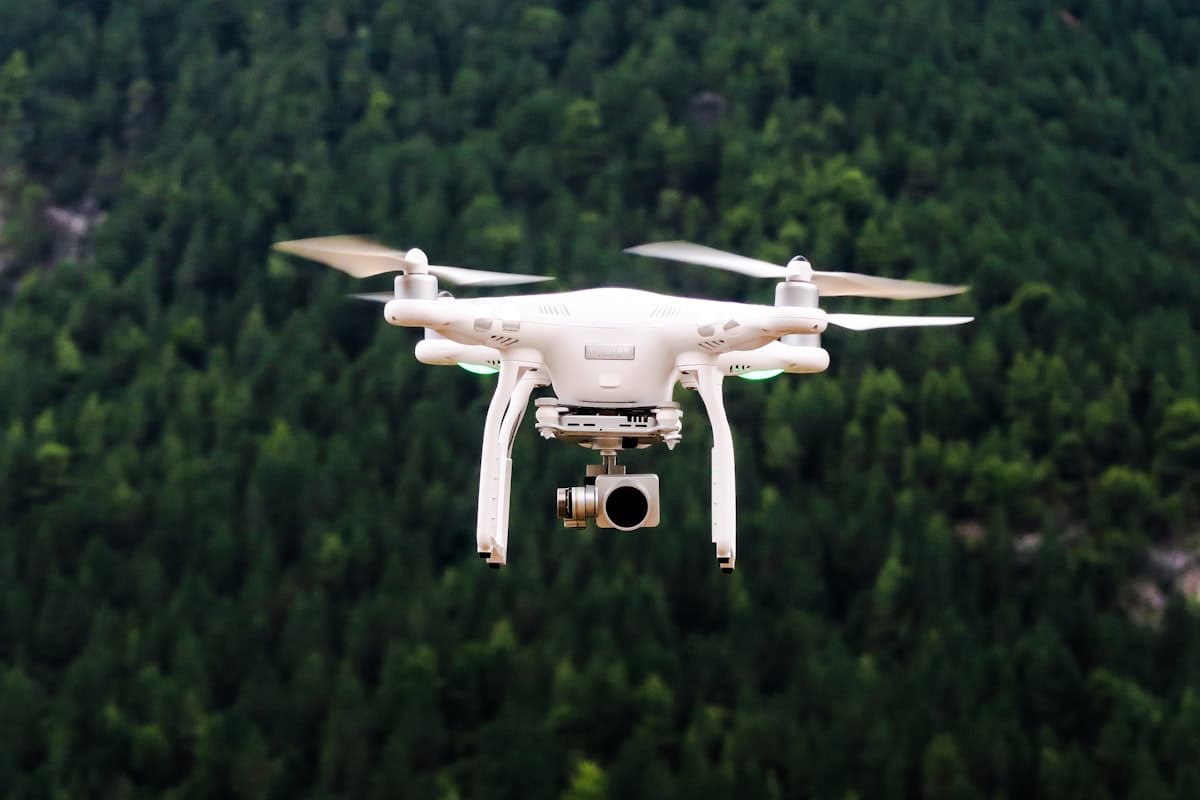
- Drones, which are unmanned flying aircraft, can either be controlled remotely or autonomously through sensors and sophisticated software. Drone delivery programs are being rolled out in various markets across the US and Europe, and may continue to impact the retail sector.
Ordered by Phone, Delivered by Drone:
Evolutions in consumer habits, along with their implications for the retail sector, are clear. The ease with which one can order groceries, household goods, pet supplies, and set up recurring deliveries through their phones has led to a decrease in time people are willing to spend on this in person. It has also paved the way for technology providers to capture a growing segment of mobile delivery orders. Amazon data reveals a continued expansion in Amazon Prime memberships in the US, despite market saturation. In 2013, Amazon first revealed their plans for incorporating drone delivery services across the US. It took 12 years for Amazon to launch Prime Air in San Antonio, that delivers 5-pound packages within an 8-mile radius to members for $4.99 via drone.
Amazon is not the only player in the drone delivery space. Zipline has become the largest autonomous drone delivery system, where they focus on rapid delivery and infrastructure buildout to support the space. Zipline currently operates in markets across Washington, Arkansas, and Texas, with a number of corporate partnerships including Chipotle and Walmart. With over 1 million completed deliveries since inception in 2016, this begs the question: What does this mean for CRE?
The Next Development Frontier- The Student + Senior Housing Opportunity:
If Amazon’s Prime Air and Zipline’s autonomous networks scale as projected, the next major bottleneck won’t be consumer demand. It will be local jurisdiction approval. Only certain towns and cities currently permit routine drone delivery within defined air corridors (as determined by the FAA), and this patchy, inconsistent regulatory landscape creates a surprising real estate implication. Markets that legalize and support drone delivery are likely to attract new forms of housing development.
Two sectors stand out: student housing and senior housing. Amazon Prime membership growth in the U.S. is nearing saturation, with one major exception: Gen Z and emerging student populations, whose adoption rate continues to climb as they move into independent living. Prime offers discounted student membership rates to drive adoption. If drone delivery becomes a normalized amenity in approved markets, we may see universities and private developers cluster student housing developments in towns where drone operations and delivery systems are approved.
For students, immediate delivery of essentials, food, OTC medications, and last-minute items fits perfectly into the mobile-first and instant gratification lifestyle that drives college student consumer behavior. Something to watch out for could be student-centered, drone-friendly housing, which may emerge as a differentiator.
On the other end of the population spectrum, autonomous delivery offers a benefit of safety and independence. Seniors could receive recurring medications, household necessities, or groceries without needing to travel, a potential perk that directly aligns with aging-in-place models. Developers in jurisdictions that allow drone operations may position new senior housing developments near drone-friendly launch zones or establish partnerships with providers like Zipline.
The Capital Discussion:
Capital markets participants will begin to underwrite drone-readiness the same way they evaluate EV infrastructure, solar capabilities, or high-speed connectivity today. These features transition from niche or luxury amenities to underwriting assumptions that inform rents, obsolescence risk, and long-term value.
The strategic opportunity isn’t just about drones. It’s about anticipating how autonomous systems reshape the built environment and how humans interact with real assets. As we move into 2026 and beyond, the winners in commercial real estate will be the stakeholders who treat technological infrastructure as core real estate infrastructure and create capital strategies to withstand future generations of development.
Drone delivery is not an isolated trend. It is a sign of a broader reorganization of logistics, housing, and manufacturing ecosystems.