

Integrated capital solutions for developments that combine residential, retail, office, and hospitality under one roof
Mixed-use developments are among the most complex projects to finance. Multiple revenue streams, different lease structures, varied risk profiles across components, and the interplay between residential, commercial, and sometimes hospitality uses all demand a capital partner who understands how to underwrite each piece while structuring the whole.
George Smith Partners has deep experience arranging debt and equity for mixed-use projects of all scales, from urban infill developments with ground-floor retail and upper-story apartments to large-scale master-planned communities integrating office, hotel, residential, and entertainment. We know which lenders embrace mixed-use complexity and how to present a capital structure that reflects the true value of diversified income streams.
Urban and suburban developments combining multifamily housing above ground-floor commercial and restaurant space.
Master-planned developments integrating residential, office, retail, dining, and entertainment components in walkable environments.
High-density mixed-use projects anchored by proximity to public transit hubs, often involving public-private partnerships.
Developments combining branded hospitality with condominium or rental residential components, often in resort or urban markets.
Conversion of historic office, industrial, or retail buildings into mixed-use properties with multiple tenant types and revenue streams.
Ground-up development on constrained urban sites requiring creative design and capital structures to maximize density and returns.
Relationship lenders comfortable with mixed-use complexity, often providing construction-to-permanent solutions.
Long-term capital for stabilized mixed-use assets with proven income diversification.
Higher-leverage options for transitional mixed-use projects in lease-up or repositioning.
Institutional and family office equity for large-scale mixed-use developments requiring significant capital.


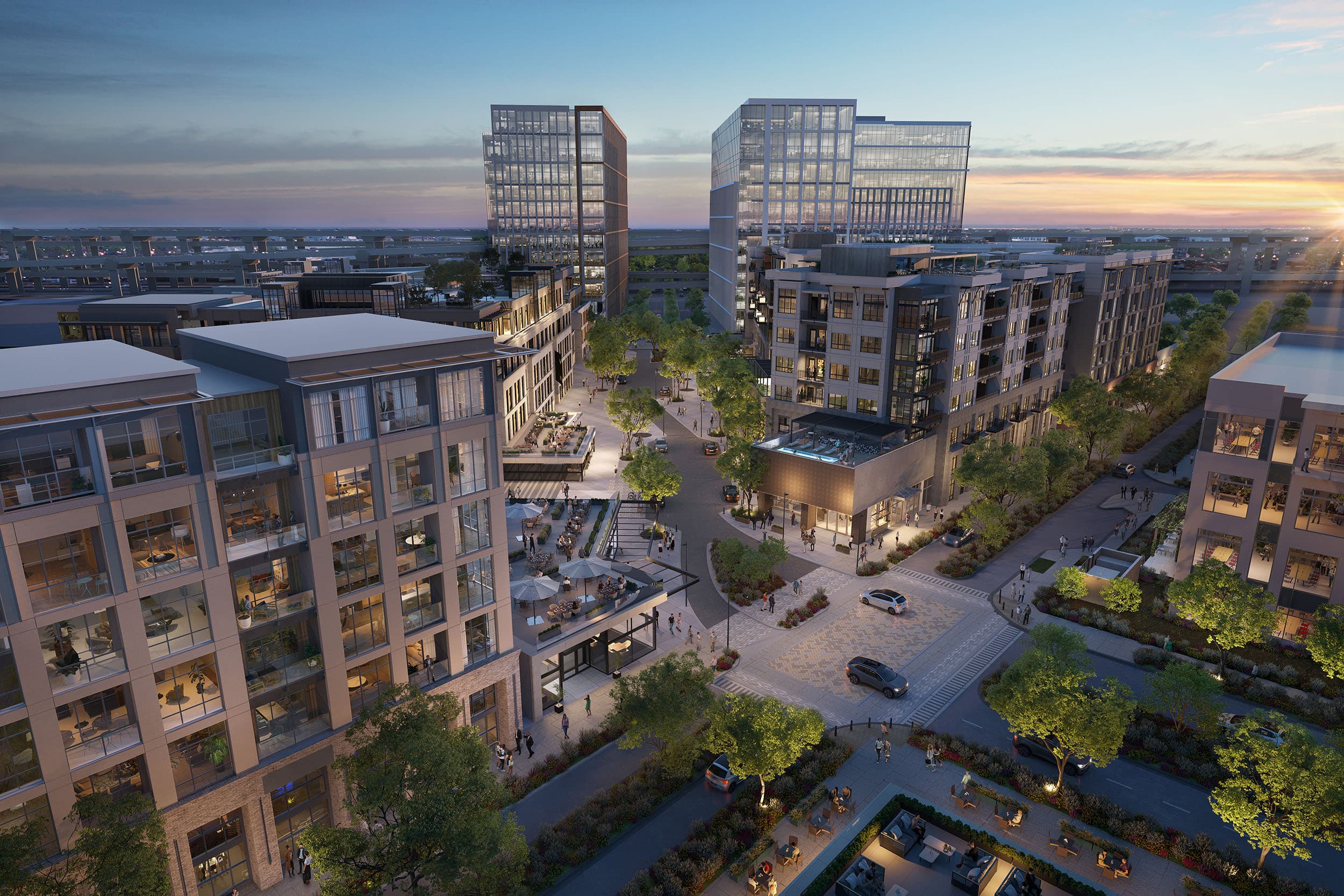

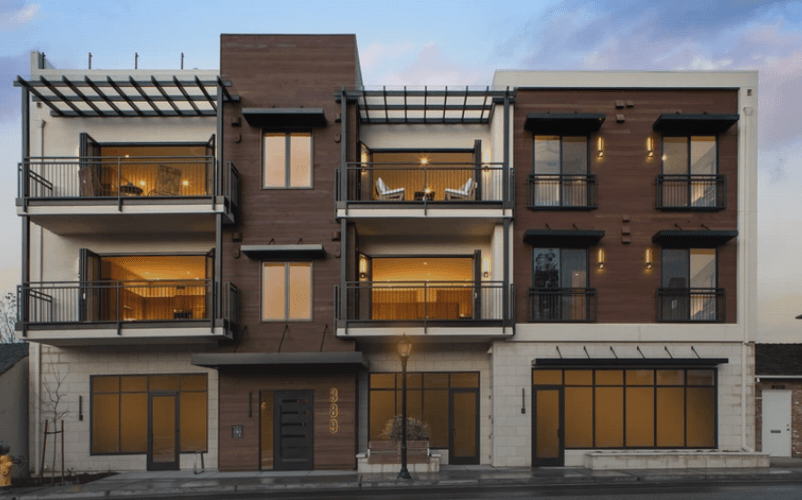
Mixed-use properties combine multiple revenue streams with different lease structures, risk profiles, and market dynamics under a single roof. Lenders must underwrite each component separately -- residential, retail, office, hospitality -- then evaluate how they interact, which requires specialized expertise and often results in more complex loan structuring.
Banks and balance sheet lenders commonly provide construction and bridge financing for mixed-use projects, while life insurance companies offer competitive permanent loans for stabilized assets. Debt funds and CMBS lenders serve transitional projects, and institutional equity partners provide development capital for larger mixed-use ventures.
Mixed-use properties can qualify for Fannie Mae or Freddie Mac financing if the residential component represents at least 80% of the total net rentable area or revenue. Properties with a larger commercial component typically require conventional financing from banks, life companies, or CMBS lenders.
Mixed-use developments often employ layered capital stacks that may include senior construction debt, mezzanine or preferred equity, tax increment financing or other public incentives, C-PACE for energy-efficient components, and institutional JV equity. The optimal structure depends on the project scale, component mix, and sponsor experience.
Our team specializes in structuring capital solutions for complex mixed-use developments across the country.
Discuss Your Mixed-Use Financing